
مزود النموذج Wan
نظرة عامة على Wan 2.7 Image
Wan 2.7 Image هو مولّد صور موجّه للإنتاج للفرق التي تحتاج نسب أبعاد مرنة وهيكل قابل للتنبؤ ودقة قابلة للتوسيع. على ImagineGo، يعمل بشكل جيد لإنشاء المفاهيم بالأوامر ولوحات المزاج ونماذج الحملات والأنظمة البصرية القابلة لإعادة الاستخدام. سريع بما يكفي للتكرار ومتحكّم بما يكفي للعمل الحقيقي. مقارنة بالنماذج الخفيفة التي تحسّن فقط للجدّة، يكون أكثر فائدة عندما تحتاج تكوينًا مستقرًا وتسلسلًا هرميًا واضحًا وجودة جاهزة للعرض.
أمثلة إبداعية
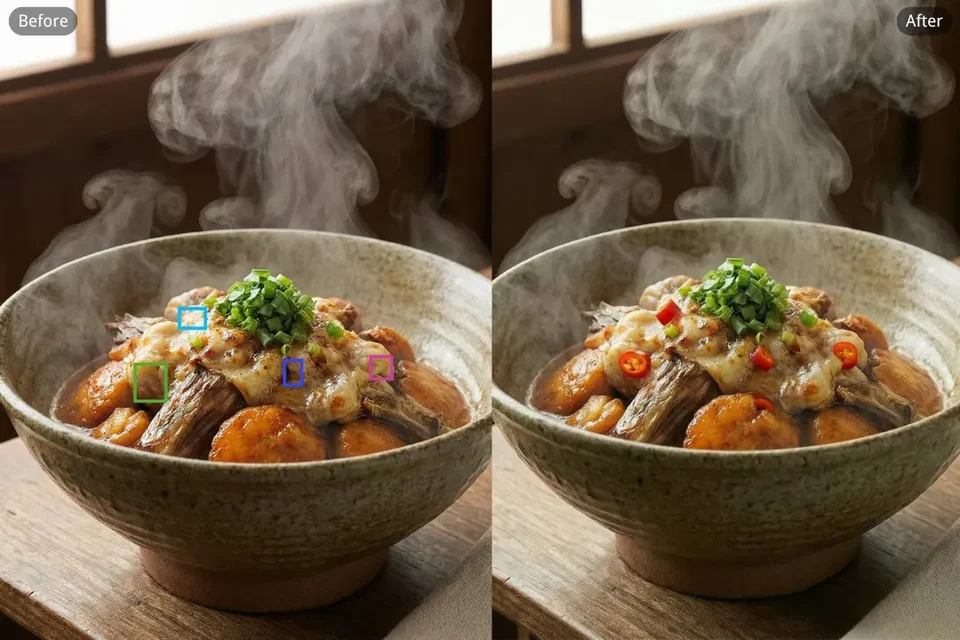
صور الحملات وإطلاق المنتجات
طوّر صورًا ترويجية وصور إطلاق يمكن تعديلها لمساحات إعلانية مختلفة بعد تلقي الملاحظات.
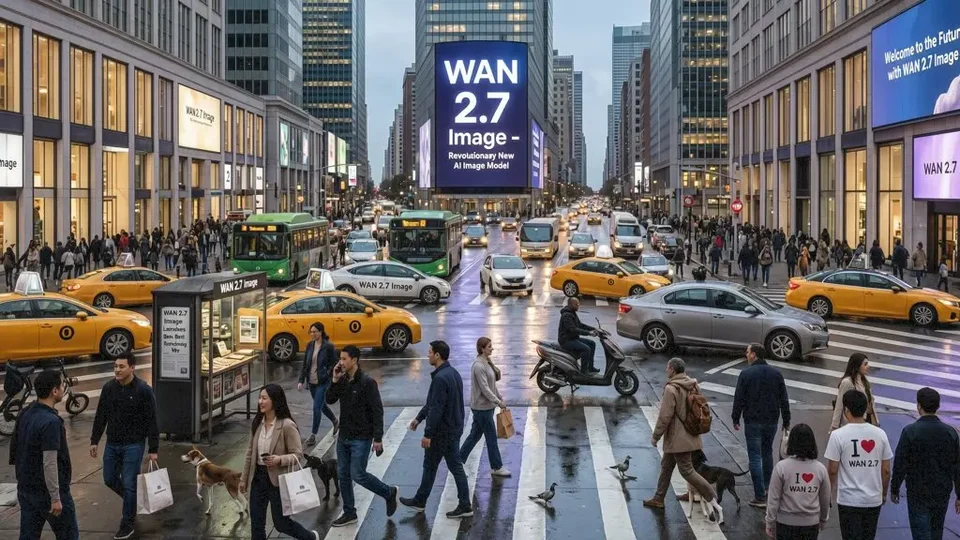
لوحات الإلهام واستكشاف المفاهيم
قارن الألوان والإضاءة والعناصر المساعدة وأجواء العلامة قبل اختيار الاتجاه البصري.
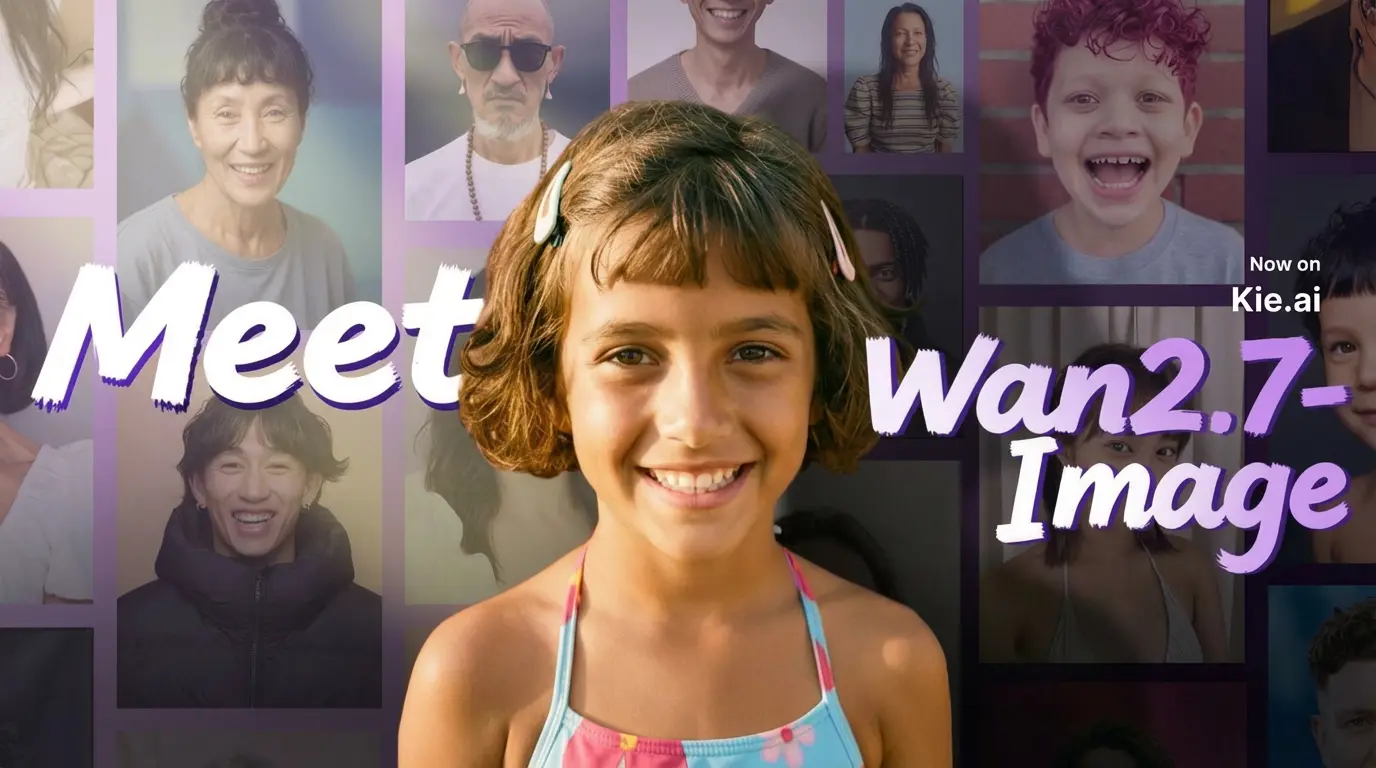
مشاهد المنتجات والتغليف
ضع المنتجات في بيئات مناسبة، وحدّد المواد والألوان ومواضع العناصر بوضوح.
أغلفة وقوالب للشبكات الاجتماعية
أنشئ نسخًا رأسية وأفقية ومربعة للمقالات والصور المصغرة والمنشورات الاجتماعية.
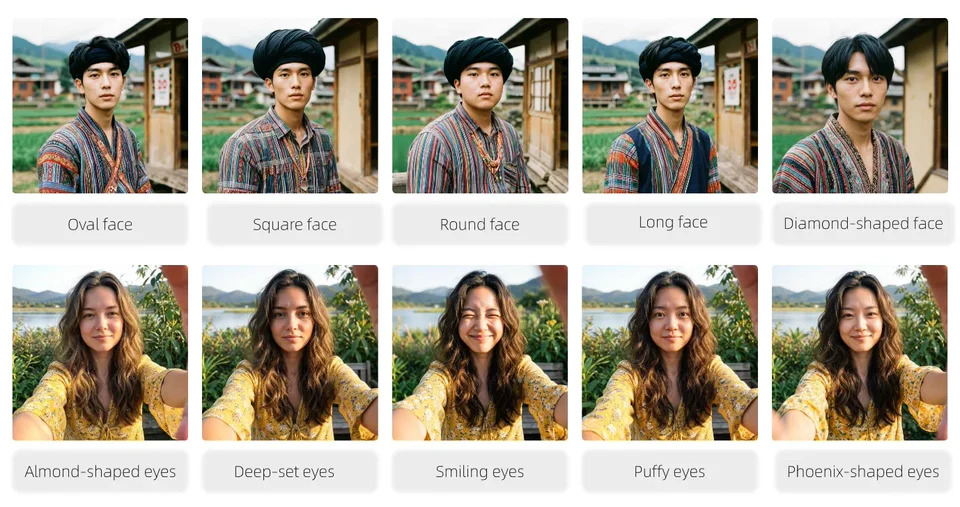
اختبار الأسلوب قبل الإنتاج
قارن المعالجات الواقعية والتوضيحية والجرافيكية قبل تطوير الهوية البصرية المختارة.
صور للمدونات ومحتوى البحث
أضف إلى الشروحات والمقارنات وصفحات الميزات صورًا مرتبطة بالموضوع وذات أسلوب متماسك.
مثال: صور الحملات وإطلاق المنتجات
مثال: لوحات الإلهام واستكشاف المفاهيم
لماذا يختار المبدعون Wan 2.7 Image
دقة تناسب مرحلة العمل
قارن المسودات بدقة 1K، وراجع التفاصيل بدقة 2K، وجهّز الصور الأكبر بدقة 4K.
توجيه إبداعي واضح
حدّد التأطير والعلاقات بين العناصر والضوء لتوجيه النتيجة نحو الفكرة البصرية المطلوبة.
فكرة واحدة بتنسيقات متعددة
كيّف الصور للإعلانات والأغلفة واللافتات وبطاقات المنتجات. راجع التكوين عند كل نسبة أبعاد.
أسلوب بصري قابل لإعادة الاستخدام
وثّق الأسلوب وبنية الأوصاف لتطوير صور مترابطة ضمن سلسلة محتوى واحدة.
أرصدة لكل عملية توليد
تعتمد التكلفة على الإعدادات. تحقق من المبلغ على زر التوليد قبل الإرسال.
| إعداد التوليد | أرصدة |
|---|---|
| الإعداد الأساسي | 5 |
مرن باقات الرصيد
اطّلع على تكاليف الرصيد لـ Wan 2.7 Image وكل نموذج آخر في صفحة التسعير. الرصيد لا ينتهي صلاحيته أبدًا.
حزم الرصيد المشتراة لا تنتهي صلاحيتها. يحتفظ الرصيد السابق بتاريخ انتهائه الأصلي. خطط الاشتراك: ينتهي الرصيد الشهري في نهاية كل شهر من الاستحقاق.
الأسئلة الشائعة
ما الاستخدامات المناسبة لنموذج Wan 2.7 Image؟
Wan 2.7 Image هو مولّد صور موجّه للإنتاج للفرق التي تحتاج نسب أبعاد مرنة وهيكل قابل للتنبؤ ودقة قابلة للتوسيع. على ImagineGo، يعمل بشكل جيد لإنشاء المفاهيم بالأوامر ولوحات المزاج ونماذج الحملات والأنظمة البصرية القابلة لإعادة الاستخدام. سريع بما يكفي للتكرار ومتحكّم بما يكفي للعمل الحقيقي. مقارنة بالنماذج الخفيفة التي تحسّن فقط للجدّة، يكون أكثر فائدة عندما تحتاج تكوينًا مستقرًا وتسلسلًا هرميًا واضحًا وجودة جاهزة للعرض.
كيف أختار الدقة المناسبة؟
ابدأ بدقة 1K لاستكشاف الأفكار، واستخدم 2K للمراجعة، واختر 4K للصور الكبيرة أو الاقتطاعات. راجع التفاصيل قبل النشر حتى عند استخدام دقة عالية.
كيف أكتب وصفًا مفيدًا؟
صف أولًا الموضوع والبيئة والتكوين والإضاءة. ثم أضف المواد والأسلوب والتفاصيل التي تريد إعطاءها الأولوية.
هل يناسب صور المنتجات؟
ضع المنتجات في بيئات مناسبة، وحدّد المواد والألوان ومواضع العناصر بوضوح.
متى أختار النسخة الأساسية أو Pro؟
استخدم Wan 2.7 Image لمقارنة الأفكار. اختر Image Pro عندما يتحدد الاتجاه وتصبح الخامات والتفاصيل أو الصور الكبيرة أكثر أهمية.
كيف أعيد استخدام الصور في المحتوى والحملات؟
أضف إلى الشروحات والمقارنات وصفحات الميزات صورًا مرتبطة بالموضوع وذات أسلوب متماسك.
ما الفرق التي تستفيد منه أكثر؟
وثّق الأسلوب وبنية الأوصاف لتطوير صور مترابطة ضمن سلسلة محتوى واحدة.